Purpose of this blog

Dmitry Yudo aka Overlord, jack of all trades
David Lister aka Listy, Freelancer and Volunteer

Thursday, September 5, 2013

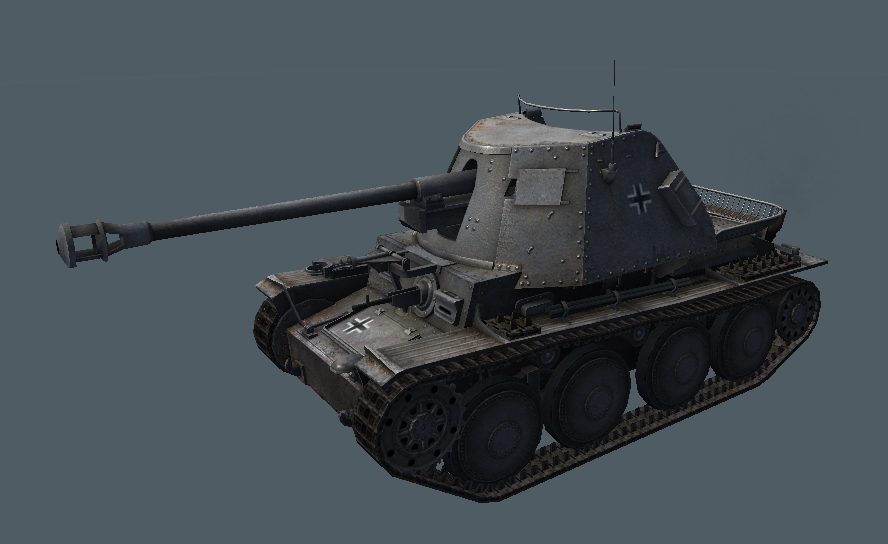
[WoT] More German TDs!

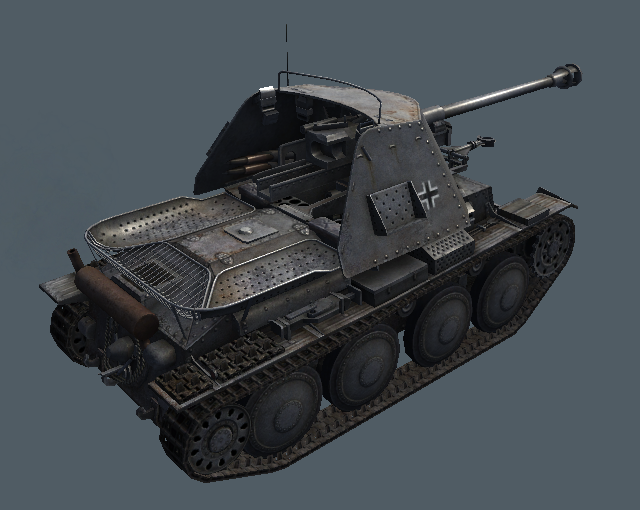
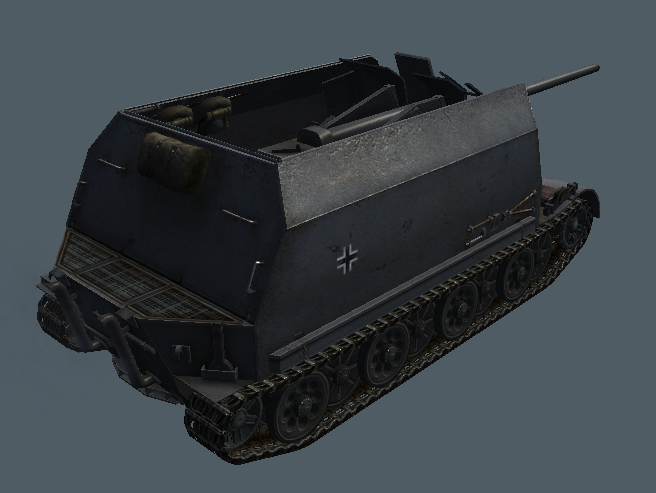
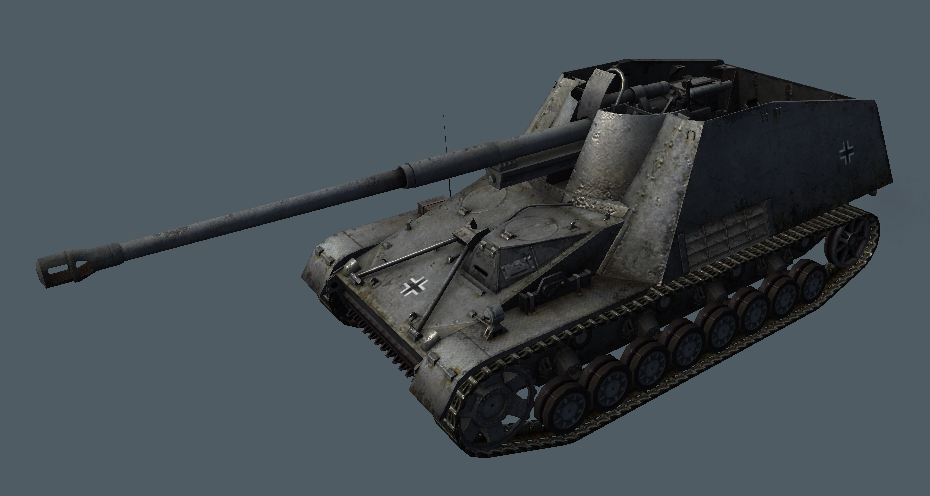
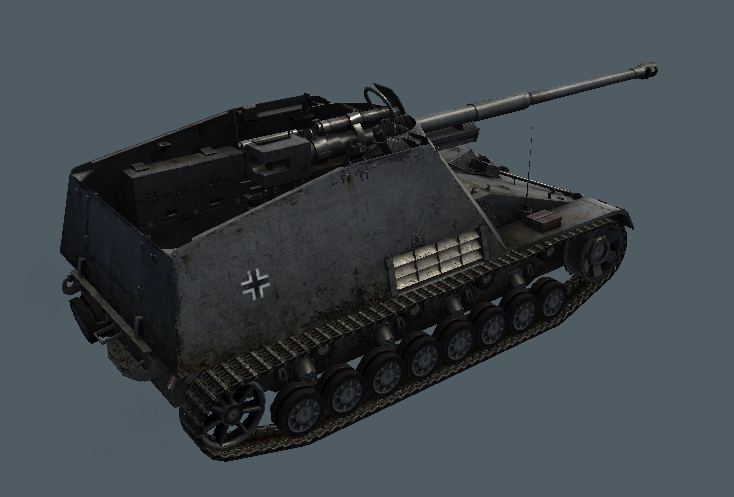
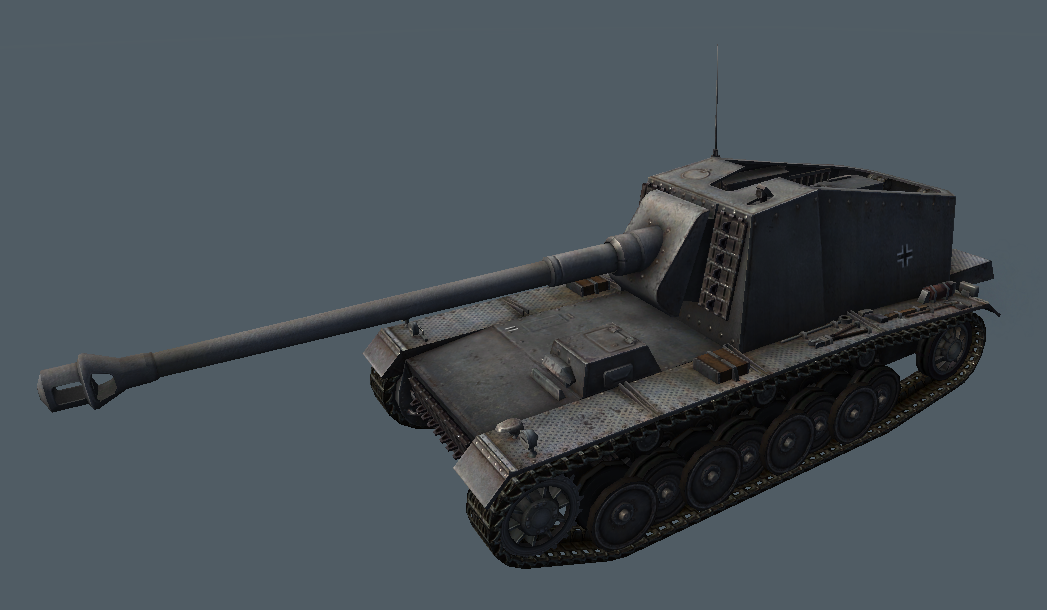
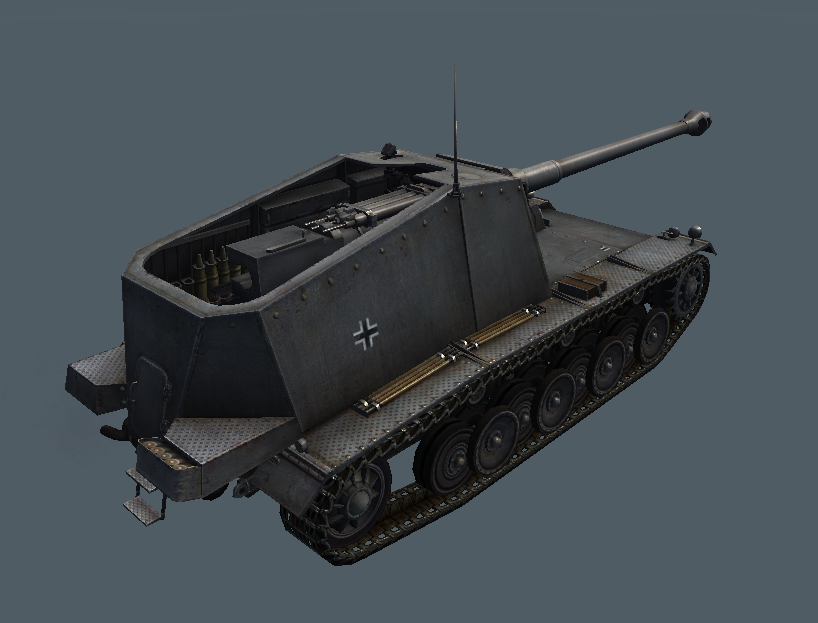
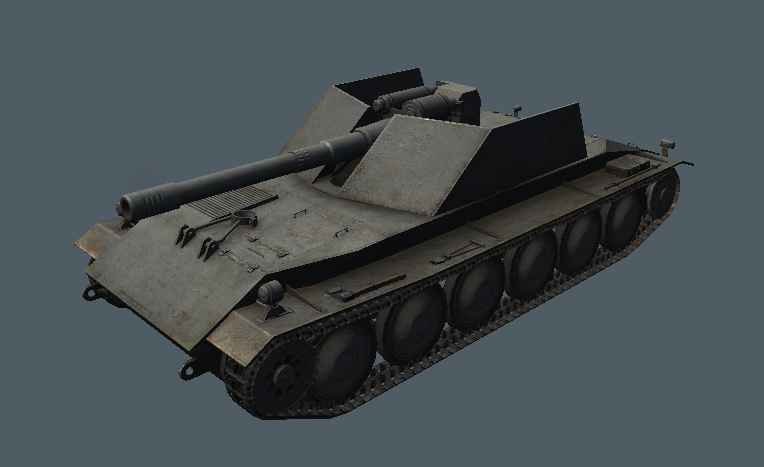
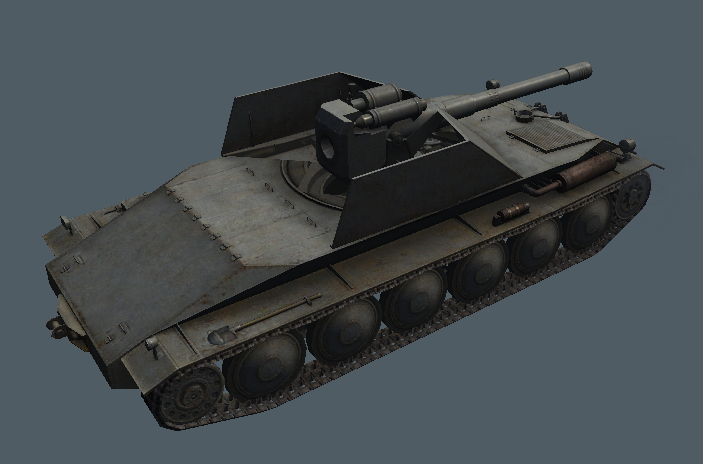
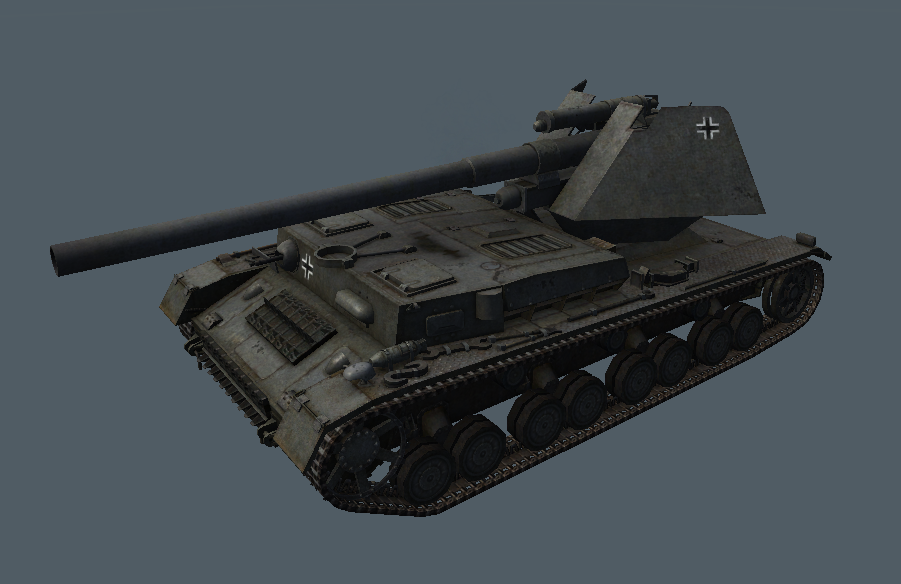
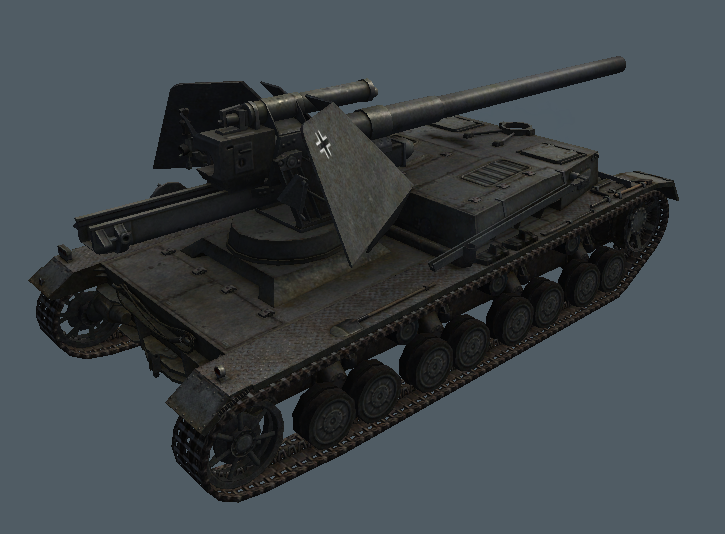
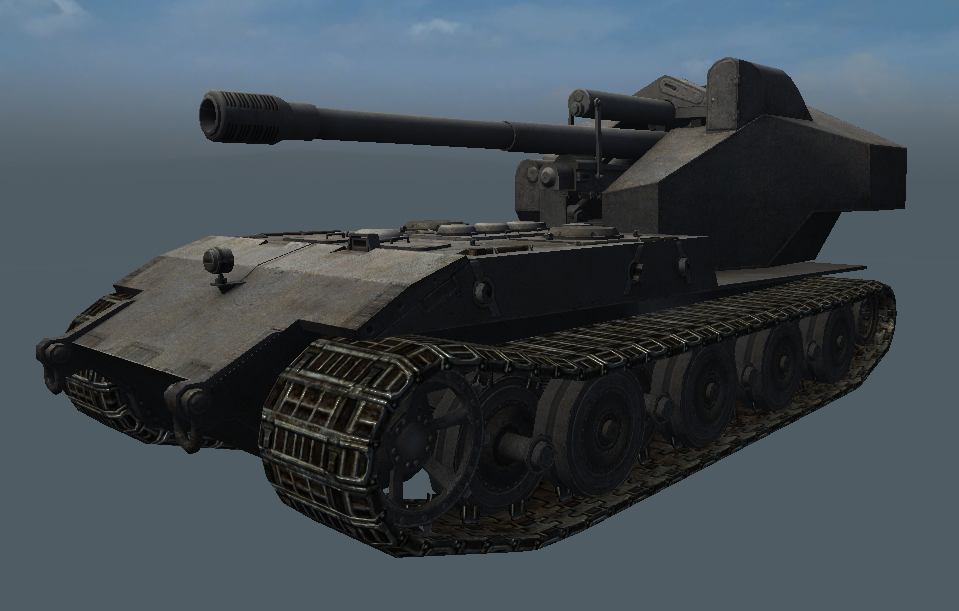
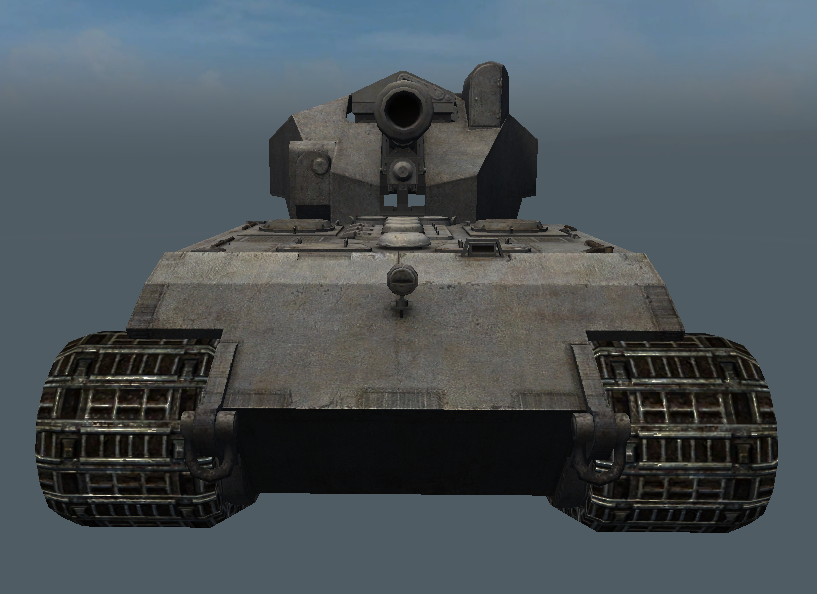
New German TDs, finally. Say "hi" to them. 

Tier 4 - Marder III or Marder 38T (from Marder II).  Gun: 7,5 cm PaK 40/3 L/46


Tier 5 - Pz.Sfl. IVc: Gun: 8,8 cm FlaK 41 L/74


Tier 6 - Nashorn. Gun: 8,8 cm PaK 43 L/71


Tier 7 - Sturer Emil or Pz.Sfl. V: Gun: 12,8 cm Kanone 40


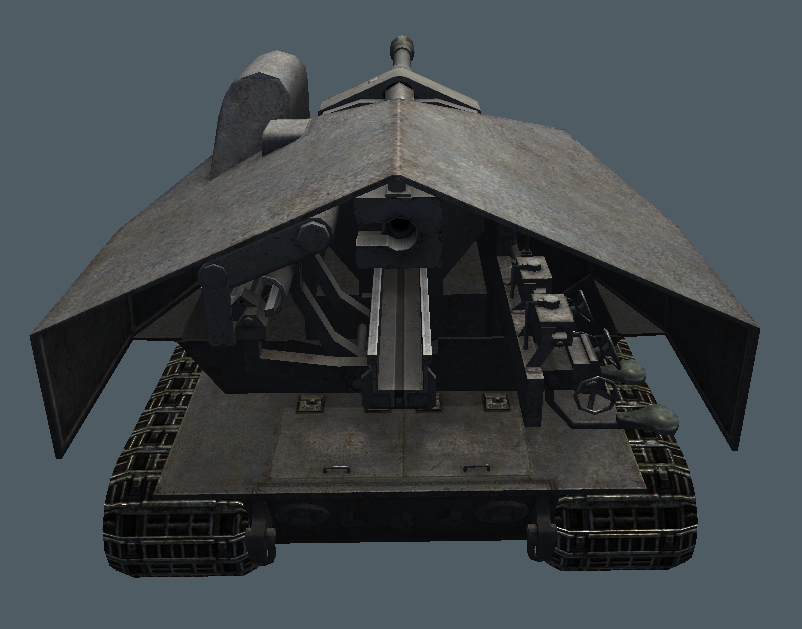
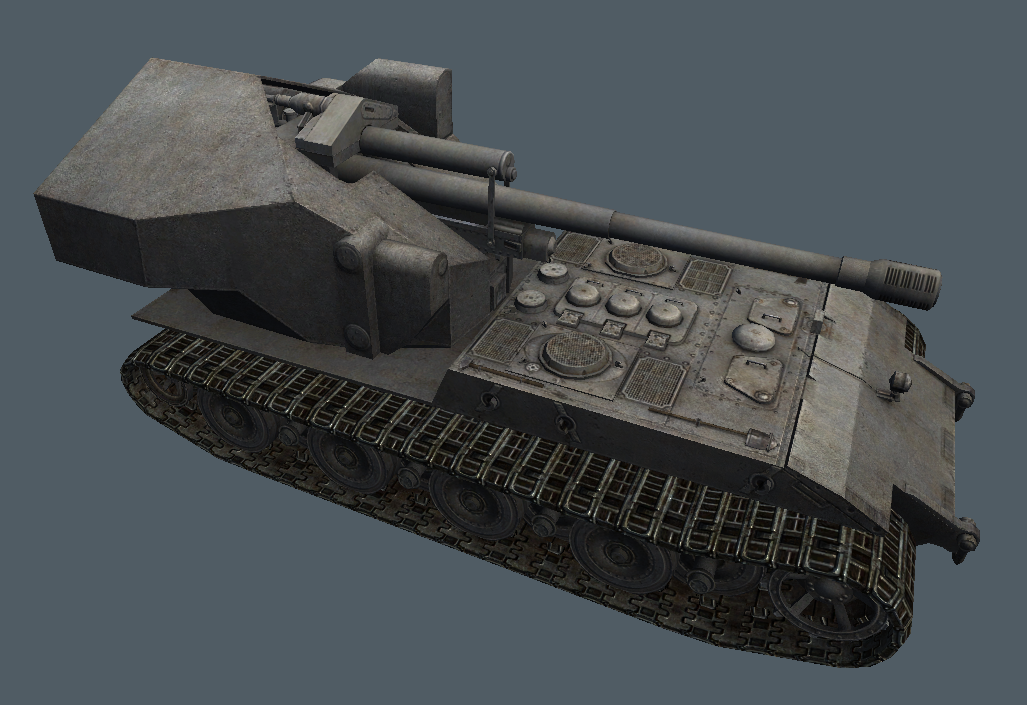
Tier 8 - Rhm.-Borsig Waffenträger. Gun: 15 cm PaK L/29.5


Tier 9 - Waffenträger auf Pz. IV. Gun: 15 cm Pak L/38


Tier 10 – Waffentrager E-100. Gun: 15сm KwK44 L/38 with autoloader.


Courtesy of Storm

Sunday, September 1, 2013

Obsolete, outdated and out classed.

Armour forces in the Finnish army of World War Two were an unbelievable pick and mix of types and models. A large part of them were stolen from the Soviets after successful battles. Through desperation they continued in service far beyond the point when other nations had declared the model obsolete. For the most part they met with success, but not always.


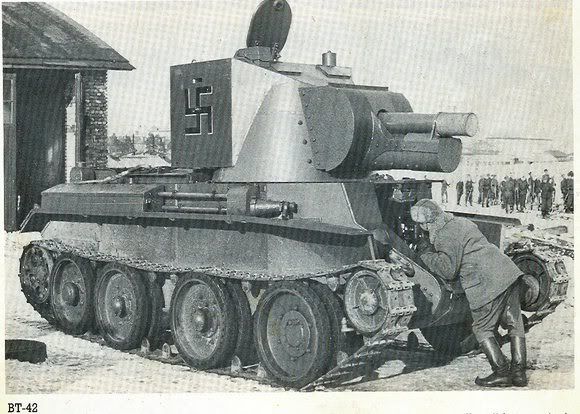
One of the tanks the Finns captured a large number of during the Winter War and start of the Continuation War were BT-7's. After a brief period of use in the front line, where the tank was judged to be a failure, about 53 vehicles were in Finnish hands. Of those the 18 best chassis were rebuilt with the best components that could be salvaged. Instead of the BT-7's original turret, a new home built one was fitted, and armed with a 114 Psv.H/18 howitzer. These were World War One era 4.5" guns given to the Finns during the winter war by the British. The parts for the BT-42 had been cobbled together from what ever the Finns could find. The gun sight was from a K/02 field gun, and the mount was from a Soviet 45mm anti-tank gun.
These tanks were first deployed in 1943 at the fighting at the Svir River. Some success was met, when the large calibre round was used against bunkers or other soft targets, however the effect of the HE rounds against armoured targets was nil.


During the latter half of 1943, and the first half of 1944 the Finnish armoured forces started undergoing re-organisation. Supplies of German Stug IIIG's started to arrive. The BT-42's were split off from the main armoured force into the Separate Armour Company, or Erillinen Panssarikomppania, abbreviated to Er.Ps.K. The crews for the 12 BT-42's (some accounts say 11 BT-42's) within this formation were drawn from two branches. Drivers were taken from the armoured division, while the rest of the crews came from the artillery branch.
In the same time period a new shell was developed to help the BT-42's deal with armoured targets. Like the rest of the BT-42 it was cobbled together out of spare parts. The British 4.5" howitzer used a two piece projectile, so all that was needed was a new warhead. The anti-tank shell was a 105mm HEAT round developed by the Germans for their 105mm artillery. Obviously the 105mm round was too small to be fired down the 114mm barrel, so the base of the shell was enlarged to 114mm.

The new HEAT shell

In the summer of 1944 the soviets launched a massive offensive with the aim of knocking the Finns out of the war. The first Finnish defence line was the VKT line, with its Western most point at Vyborg (also spelt "Viipuri"). Finnish forces holding Vyborg were in a bad state. The main part of the defence was the 20th infantry brigade. This had been formed out of the remains of the 22 infantry regiment in 1944, and spent its time on labour duties. So while the individual soldiers were experienced combat veterans the brigade hadn't trained and lacked cohesion. To add to the problem modern weapons in the form of Panzerfausts had been supplied, but no training had been given and no one in the Brigade knew how to operate them. So they weren't issued to the troops. A smattering of Panzershrecks were available to the troops.
The defence also had support of Heavy Artillery Battalion 40, equipped with twelve 152mm M1937 howitzers, and a light artillery battalion with 105mm guns. However both were low on ammunition. For example the Heavy Artillery Battalion only had 400 rounds.
There was a supply dump, however the supply officer refused to release the ammunition. Even when the headquarters gave verbal orders. Without the right paperwork the supply officer still wouldn't hand over the shells. Eventually in desperation a party of armed infantry were dispatched and they held up their own supply dump. Both artillery battalions were resupplied with ammunition. Much to the horror of Battalion 40, the shells in the dump were for M1938 guns, and wouldn't fit their guns.
Although the light battalion did join in the battle the delay had cost several days of what turned out to be a 5 day battle.

Into this mess the Er.Ps.K was deployed. The company commander, Lt Stig Sippel, requested that his company be used a self propelled guns, a role they were entirely suited for. The 20th brigade commander, who by that point hadn't slept for four days refused, and ordered the Guns to the front line to provide anti-tank cover. So over the night of the 19th/20th of June the Er.Ps.K deployed. The tanks were deployed in pairs along the line, and with the help of the local infantry they dug in.
Number three platoon was the first in action, after finishing the digging in about 1130, the crews watched retreating Finnish forces fall back along the road past them. About 1430 the first enemy tanks were seen. One IS-2 and four T-34's were seen coming down the road. The commander of 3rd platoon let them close. Waiting until the last moment to open fire. Due to the excellent camouflage the Soviets didn't spot the BT-42's in ambush. When the Soviets reached a range of 70m, the BT-42's unleashed the devastating new HEAT warheads in a point blank volley.


Only the new shells were anything but devastating. The IS-2 took 18 hits, with no effect. Maybe the shells were unstable due to the modifications and weren't hitting right, or the jet was being dispersed due to wobble of the shell. Whatever the cause the shells had absolutely no effect. There are also accounts mentioning hit chains of 11 and 15 hits with the HEAT shells to no effect, although those might be misreported versions of this engagement.

After this prolonged salvo the Soviets identified where one of the BT-42's was dug in and started shooting at it. The commander threw the tank into reverse to get out of danger, he backed into cover and turned the tank. The chronic reliability problems that had caused the BT series to be withdrawn struck again. The tank threw its track so badly it couldn't be repaired. The crew abandoned the vehicle and joined the infantry defence. It is reported that the Crew managed to obtain a Panzershreck and proceeded to knock out the IS-2 and forced the T-34's to withdraw.  About 2130 they bagged another four T-34's as the Soviets mounted a large scale attack.


Meanwhile the rest of the company had been in action. Due to unknown reasons, some say Soviet saboteurs, others say misunderstood orders, one battalion in the front line had started to retreat. The Soviets had forced the front line meaning the BT-42's had to withdraw while fighting.
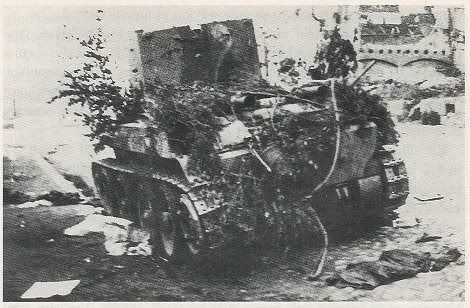
About 1730, in the city, Lt Sippiel ordered a section of tanks to fall back over a bridge, which one of the BT-42's then demolished. Lt Sippel then ran into a T-34. He struck it twice, again with the new shells, which had no effect. The T-34 fired back once and hit the BT-42 in the upper turret. The round ripped the roof off and killed Lt Sippel. The other BT-42's fell back across a second bridge, and that too was blown up by a BT-42 shooting the stone support away. With no further way to advance the Soviet advance was temporally halted in that area.

Lt Sippel's BT-42, after being knocked out

Er.PS.K had lost eight BT-42's from its starting strength of 12 vehicles in only a few hours of combat. Their impact on the battle had been almost nil. So on the 7th of July, 1944 the company was disbanded as there were no replacements vehicles, and even if there were replacement BT-42's the performance of the tank was so dire there seemed to be little point.

Thursday, August 29, 2013

[WoT] News From the Front

Related to 0.8.8:

  • Superpershing's armour "belt" on upper armour plate is now 2 times wider (hitbox now corresponds to the visuals)
  • E-75's passing ability for bad and medium terrains is improved
  • Ammo sliders have been reversed to previous version. Will be improving the new version.
  • Bugs and glitches related to going into battle have been fixed. Now it should work ok.
  • There will be a surprise related to global rating.
  • British desert camo with blue string will be returned.

Not related to 0.8.8:

  • Haven't decided on KV-1S top gun thing yet. This is being discussed.
  • Object 140 turret will be re-armoured (going to be similar to T-62A) some time in 0.9.0 - need more tests.
  • The concept of historical battles is now more or less finalised and almost ready to go into pre-production. Finally.

[WoWP] Prem Account Giveaway

With the release of 0.5.2 update for World of Warplanes open beta.

Now you can earn tokens in WoWP and use them to purchase unified/single premium account for both WG games currently being available - i.e. "free" WoT prem accounts are now available.

It's farming time!


PS: EU guys, sorry for the communication issue and absence of proper announcement on what was going to happen with tokens. 

Tuesday, August 27, 2013

[WoTB] New Screenshots

World of Tanks Blitz is now being tested internally. The game was demoed behind closed doors at Gamescom. At this stage we are satisfied with what we have got - closed beta will show though.

Below are some new screenshots (yes, they are not from PC):


Sunday, August 25, 2013

From the Darkness, Light!

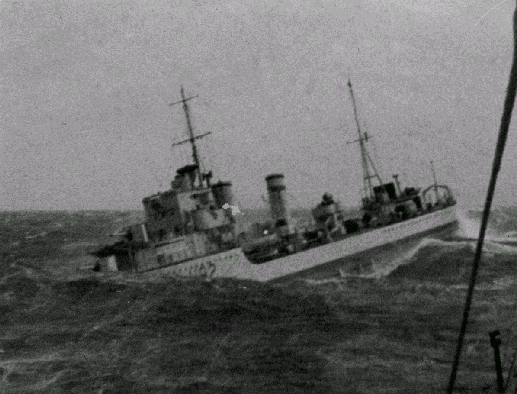
“From the darkness, light” was the motto of a G-class destroyer that was commissioned into the Royal Navy service on 22nd of January 1936. It would meet its fate in the cold waters off Norway 4 years later, fighting what has to be one of the most out matched battles in the Royal Navies history. During which its captain won the first Victoria Cross of the Second World War. The ships name was HMS Glowworm, a name I suspect many of you will already heard of, if not the exact details of the fight.


Glowworm had a bumpy career being involved in two collisions, the first in 1939 was with her sister ship HMS Grenade, the second was with a Swedish ship Rex in 1940. After repairs Glowworm set out on her final mission escorting HMS Renown. This battlecruiser was the core of a small force sent to screen mine laying operations off Norway to prevent the German invasion of April 1940.

On the 6th of April a crewman at one of Glowworms torpedo launchers was washed overboard in very heavy seas. The ship’s captain Lieutenant Commander Roope was well liked, and respected by his ships company, so it’s not surprising he requested permission to detach from the task force to search for the seaman. Renown gave the go ahead despite there being no chance at all to find the missing crewman.


Glowworm started a search which lasted about two hours and found no sign. During the search the ship had taken such a battering some of its navigating equipment had been damaged which made it hard to find and re-join Renown.

On the morning of the 8th Glowworm was still separated from the task force, when she saw another destroyer through thick fog at about 0800. Hailing the destroyer Glowworm asked for identification as the ship wasn't flying an ensign. Luckily it responded, and identified itself as Swedish, then opened fire! The ship was actually a German destroyer carrying troops to Norway. Glowworm responded, and is said to have caused quite some damage. Before too long another German destroyer appeared and joined in the attack on Glowworm.
Suddenly both ships broke off and ran for the cover of a rain squall. LTC Roope had a suspicion he was being lured towards a larger force, however he knew that the information of where the Germans were would be invaluable to the Royal Navy, so he pursued.

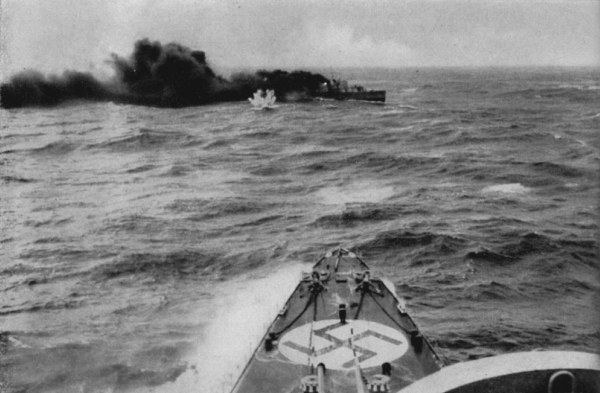
As Glowworm emerged from the squall the huge bulk of the battlecruiser Admiral Hipper loomed into view. At first the Admiral Hipper had trouble telling the destroyers apart, however after a few moments she worked out which ship was the enemy and opened fire. Knowing he couldn't disengage, LTC Roope knew he had one chance. On his deck he had 10 Torpedo tubes. Glowworm signalled the information to Renown, and blowing smoke to provide herself with cover she turned to attack.

 The smoke had no effect. The Admiral Hipper had radar controlled main guns and continued to hurl shell after shell at the British destroyer. Glowworm took several punishing hits, but closed the range. Admiral Hippers guns were designed to take on armoured cruisers such as herself. She weighed 14000 tons, and wore 3 inches of armour. Glowworm in contrast weighed in at just under 1500 tons, had no armour and had four 4.7 inch guns which couldn't go through the German cruisers armour. So you can only imagine the damage that those 8 inch shells did.


Glowworm makes her first torpedo attack
Glowworm emerged from the smoke a mere 900 yards from the Admiral Hipper, at that range the German cruisers secondary armament engaged scoring several hits and felling Glowworms mast. This caused her siren to start shrieking. The high pitched shriek carried on for the rest of the battle. Glowworm launched her first spread of 5 torpedoes. All missed, some by mere feet. LTC Roope returned to the smoke screen to try and repair the second launcher.
Admiral Hipper didn't give the battered destroyer a chance. She came crashing through the smoke screen in pursuit. In the swirling fight that followed Glowworm managed to launch a second spread of torpedoes, which also missed. As Glowworm exited the smoke screen she saw Admiral Hipper parallel to her.

Things become confused at this point with conflicting accounts.

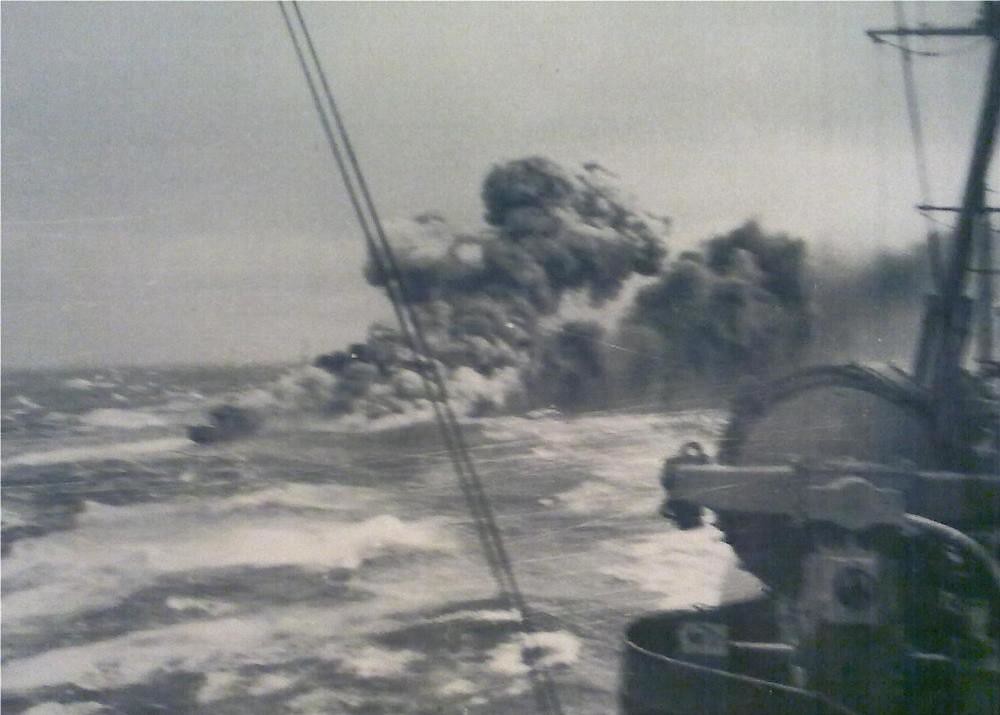
LTC Roope in some accounts is heard say "Stand by to ram!", what is known is the Glowworm, still shrieking, with all guns blazing rammed into the side of the Admiral Hipper, Ripping a 40 meter gash in the side of the cruiser. Through which 500 tons of water poured. The impact destroyed the Admiral Hippers desalination plant and a torpedo launcher. The German ship took on a 4 degree list. As Glowworm reeled away with her bows smashed. She was pelted by gun fire from the Germans; even Small arms were being fired at the crippled Destroyer. In return Glowworms last 4.7 mount continued firing.

Glowworm just after ramming
With no more means chance of victory, and on fire and shipping water LTC Roope ordered abandon ship. After making sure the evacuation was in progress LTC Roope went below to open the seacocks to ensure the ship sank.

Glowworm sinking, one of the figures is reportedly LTC Roope
 Despite being laden with needed soldiers for Norway, and despite the risk to his vessel from Submarines Captain Heye halted the Admiral Hipper down current from the sinking Glowworm, and ordered all hands on deck to help rescue survivors. Shortly afterwards Glowworm sunk beneath the oil covered sea, as she descended her depth-charges detonated tearing the ship apart.

LTC Roope was seen helping survivors into life jackets and assisting his men to climb out of the sea onto the nets and ropes being thrown overboard by the Admiral Hipper. At last no further sailors could be seen, a rope was thrown to LTC Roope, who grabbed hold and was hauled towards the deck. Suddenly a huge wave crashed against the side of the ship, and LTC Roope, his strength failing was lost.


Admiral Hipper carried on with her mission and after returning to port after the invasion Captain Heye took the then unprecedented step of writing to the British authorities through the Red Cross recommending LTC Roope for a VC.

However with only half the story, and unable to confirm the events the VC wasn't issued until 1945 when the 36 surviving crew members from HMS Glowworm were repatriated at the end of the war.

Note:
One of the soldiers on-board Admiral Hipper had a camera, so all action photographs were taken during the battle.

This website has the detailed stories of three of the survivors.
[WoT] Testing 0.8.8

While we are slacking at Gamescom..


How is public test going? Is 0.8.8 big and good enough?

It's feedback time!

Monday, August 19, 2013

[ALL] WG at Gamescom: Direct Contact

If you happen to be in Cologne this week, don't miss your chance to step by Wargaming's booth at Gamescom (August 21-25).


It's a decent opportunity not only to grab some WoT/WoWP/WG-branded swag but also deliver your valuable feedback right into the face of developers, and of course learn more about our games - current and future ones.

Personally, I will also be available for chatting and beer-ing these days. Use comments to this post for communication.

See you around.

PS: And WoWP 0.5.1 is now live for EU and NA!

Sunday, August 18, 2013

Pirates of the Royal Navy

On the Evening of September 12th 1914 the German light cruiser SMS Hela was steaming near the island of Helgoland off the north German coast. Little did her captain know that the next morning there would be an encounter with one of the newest branches of the Royal Navy, and the aftermath of that encounter would create a new tradition.
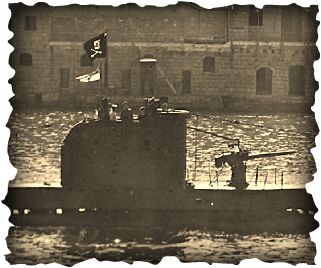
The next morning the Submarine HMS E9, commanded by Lieutenant Commander Horton, surfaced briefly, spotted the Hela and immediately submerged again. The Hela hadn't seen the Submarine, and when E9 was within 600 yards two torpedoes were fired. Both struck the Hela amidships and she began to take on water. 30 minutes after the Torpedoes hit Hela sunk, becoming the first ship sunk by a British submarine. Only two of the Hela's crew were lost. The Imperial German navy launched a furious hunt for E9, however despite searching all day despite this E9 evaded their detection. When entering Harwich harbour LTC Horton flew the Jolly Roger as a sign of his success.

SMS Hela
 
LTC Horton's choice of flag came from the words of Admiral Sir Arthur Wilson. Who had won a VC by launching a lone charge into hand to hand combat against Mahdist troops (fuzzy Wuzzy's) during the Sudan war. Admiral Wilson had decried Submarines as "Underhanded, Underwater and damned Un-English. Certainly no occupation for a gentleman!" He went on to say "We should treat all Submariners as Pirates in wartime, and hang the lot of them!”
 LTC Horton then went on to fly an extra Jolly Roger for each successful patrol E9 undertook, until he had room for no more flags. E9 spent allot of her patrols in the Baltic intercepting Swedish Iron ore shipments to Germany. He became such a thorn in the side of the German economy he was portrayed as a buccaneer, with the German press screaming headlines about "The underhand and criminal methods of the British Pirate Submarines!"


A red Jolly Roger was flown by the submarine HMS E12 as she operated in the Sea of Marmara, alongside HMS E11. I haven't been able to find out if E11 also flew that flag, but considering E11's exploits I don't think she needed to!
HMS E11 was commanded by LTC Nasmith. On the 18th of May, 1915, LTC Nasmith captured a Turkish vessel in the Aegean Sea. Tying his submarine to the captured vessel he sailed right past all the Turkish shore batteries, and into the Sea of Marmara. He set course for the Golden Horn (the area outside Constantinople harbour) immediately.
When he arrived he spied a Turkish heavy gunboat and fired two torpedoes at it. The first one missed and drew a huge circle forcing LTC Nasmith to have to dodge his own shot! The errant torpedo then hit a wharf detonating loudly. The second torpedo hit the Gunboat sinking it. Panic gripped the City, Traders started boarding up their shops, and people ran for home. Troops embarked on transports for the fighting at Gallipoli were ordered to disembark to defend the city.


E11 stayed on patrol for a further three weeks reaping a huge toll on the crowded sea. Many of LTC Nasmith’s kills were done by boarding ships and placing scuttling charges on the ship. E11 managed to keep its patrol up so long by its boarding parties stealing food from ships they boarded. LTC Nasmith also modified his torpedoes so they would stay afloat if they missed the target. Then the Commander would then swim out to the live torpedo, and disarm the warhead while swimming alongside it in the sea. The torpedo would then be returned to the submarine and refuelled for use later on.
After three weeks blockading Constantinople, Nasmith finally started to withdraw, heading back to the Dardanelles. On his way he learnt of a large coal transport heading for Constantinople. LTC Nasmith turned around and followed the transport. The huge haul of coal would have improved the cities position no end. Power supplies were sketchy, and morale was suffering. The coal shipment would have solved those issues. There was a huge crowd including local dignitaries waiting for the coal freighter. The crowd cheered when the freighter tied up alongside. Then LTC Nasmith's torpedo struck sending the ship and its cargo to the bottom of the harbour.
When LTC Nasmith returned he was awarded a VC for his patrol. 


E11 was refitted and fitted with a 12Pdr deck gun. LTC Nasmith took it for another patrol in the Sea of Marmara. Within hours of starting his patrol he surfaced alongside a coastal road, and put his new weapon to work shelling a column of Turkish troops marching to the Gallipoli fighting. Next he sunk the Turkish battleship Hayreddin Barbarossa off Bolayır with a single torpedo. 
His final act of daring was in collusion with First Lieutenant D'Oyly-Hughes. Creating a raft and filling it with explosive Lt D'Oyly-Hughes swam ashore and packed the charge into a culvert next to a railway viaduct. The viaduct had been shelled several times by E11, with little lasting effect. Lt D'Oyly-Hughes was chased back to the beach by Turkish ground forces, and despite being shot at managed to reach the safety of E11. When the charge blew it took out the entire viaduct.
E11's patrol lasted 47 days, a record not beaten in the Great War. During that time LTC Nasmith sunk 1 Battleship, 11 steamers, 5 Large sailing craft, 30 small sailing vessels and a number of Gunboats.


The last time the Jolly Roger was flown from a Royal Navy submarine was in 2011 when HMS Triumph returned to port after firing cruise missiles in Libya. However the last time it was flown for scoring a shipping kill was shortly after the USS Phoenix was sunk. The Phoenix, a survivor of the Japanese attack on Pearl Harbour, was sailing in the South Atlantic when she was struck and sunk by two Torpedos’. The British submarine that had fired them was HMS Conqueror, and the date was May 2nd, 1982. The USS Phoenix had been sold to Argentina and renamed the ARA General Belgranao. Interesting to note that the first (and only) kill by a Nuclear submarine was done with World War Two era torpedoes, as the captain of the Conqueror was unsure how well his modern torpedo would cope with the Phoenix's armoured hull.
When returning to base, as tradition allowed, the Conqueror decided to fly a specially made Jolly Roger. However there was nowhere to fly it from, so a broom was tied to the periscope and the flag flown from that, or so the story goes.

Wednesday, August 14, 2013

[WoT] ASAP 0.8.8

While this might be a bit late, adding the video on 0.8.8, to start talks on the major (as promised) upcoming update.

Among the big features:
  • Quest system improved and supported in the game client
  • New line of Soviet med tanks
  • National crew voices (finally)
  • Redesigned achievements/statistics tab
  • New map - Tundra
  • Komarin map is back!
  • Super Pershing rebalance (you will get a chance to sell it, if you want to)
  • and some more